Haitian Pitimi, also known as Haitian Creole or Kreyòl Ayisyen, is a captivating linguistic tapestry that weaves together the rich cultural heritage and identity of the Haitian people. This unique language, born out of the complex history of Haiti, holds a mirror to the resilience and creativity of its speakers, offering insights into the intricate layers of their society. At its core, Haitian Pitimi is a creole language that emerged from the fusion of French, African languages, and indigenous Taino influences during the colonial period. It is a testament to the syncretism of cultures and the survival of linguistic diversity in the face of adversity. The language itself is a vibrant mosaic, reflecting the fusion of vocabulary, syntax, and pronunciation from diverse linguistic roots. Language is not merely a means of communication it is a repository of cultural nuances and historical narratives. From its French foundation to the incorporation of African and Taino elements, every word is a testament to the cultural amalgamation that defines the Haitian identity.
The resilience of the language mirrors the resilience of the people who, despite centuries of hardship, have managed to preserve and celebrate their unique linguistic heritage. Moreover, Haitian Pitimi serves as a powerful marker of identity for the Haitian people. In a country where a significant portion of the population speaks French, the use of Haitian Creole is not just a linguistic choice but a statement of cultural pride and resistance. It is a symbol of solidarity among the Haitian community, fostering a sense of belonging and unity that transcends geographical and social divides. The cultural significance of Haitian Pitimi extends beyond its linguistic realm. It is deeply ingrained in the arts, music, and folklore of Haiti. From the mesmerizing beats of traditional Haitian music to the vibrant tales of Vodou ceremonies, the language breathes life into the cultural expressions of the Haitian people. It serves as a vehicle for preserving and transmitting the intangible heritage of the nation, reinforcing a connection to the past and providing a foundation for the future.
In the case of Haitian Pitimi, its vocabulary is a living archive that tells the story of Haiti’s tumultuous past. Despite its historical roots, Haitian Pitimi is a dynamic and evolving language. It has adapted to the changing socio-political landscape of Haiti, embracing new influences while steadfastly holding onto its core identity. In recent years, efforts have been made to elevate the status of Haitian Creole, recognizing it as a legitimate means of education and administration. This acknowledgment not only empowers the speakers of the language but also contributes to the broader discourse on linguistic diversity and cultural inclusivity. Haitian Pitimi is a linguistic masterpiece that encapsulates the essence of Haiti’s culture and identity. It is a testament to the resilience of a people who have weathered the storms of history, emerging with a language that is not only a mode of communication but a living testament to their strength, creativity, and unwavering pride. As Haiti continues to navigate its path towards the future, the intricacies of Haitian Pitimi will undoubtedly play a pivotal role in shaping the nation’s narrative.
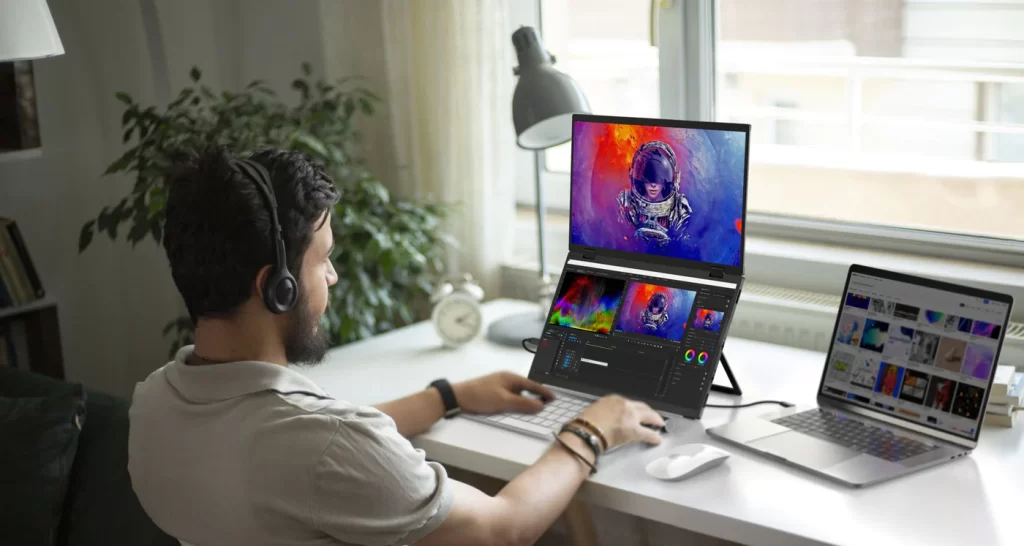 For professionals, these monitors serve as an extension of productivity, enabling the seamless execution of multitasking activities. Imagine working on a presentation while referencing source material on a secondary screen or conducting a video conference with dual displays for enhanced collaboration. The possibilities are boundless, fostering an environment where efficiency and productivity thrive. Students, too, reap the benefits of powerful portability. The ability to transform a small study space into a dynamic workstation enhances the learning experience. Research becomes more fluid, with the flexibility to compare notes, view lecture materials, and engage in virtual classrooms with unparalleled ease. As educational landscapes continue to embrace digital transformation, portable monitors emerge as essential tools for the next generation of learners of